Start with scope: what you’re really hiring for
When you compare a bricklaying contractor, the first step is to define the scope clearly. Ask what will be included in the work: demolition, substructure preparation, blockwork or bricklaying, reinforcement details, and surface finishing. A good contractor murerfirma will translate your wishes into a practical plan and explain tolerances, transitions, and interfaces with other trades. This helps you avoid hidden cost items that often appear when the scope is vague.
Service comparison should also cover deliverables, not just hourly rates. Look for whether the company provides documented materials specifications, site management, and quality checks at key stages. For masonry projects like facade renovation or extensions, the contractor’s approach to alignment, moisture control, and load-bearing integrity matters as much as the brick pattern. If you’re planning mixed work—such as masonry combined with wet-area preparation—make sure the contractor clarifies responsibilities and handover points.
Pricing models: fixed price, estimates, and what to validate
One of the most important comparisons is how pricing is structured. A fixed-price approach is often easier to budget for because you can evaluate what is included from the start. In contrast, purely estimated pricing can expand totalentreprise badeværelse when conditions change, such as existing wall conditions, unexpected drainage needs, or adjustments to openings. When comparing quotes, request a breakdown for labor, materials, and any professional services like surveying or documentation.
Also validate contractual protection and risk allocation. If the contractor offers AB insurance, it signals that claims and quality disputes are handled through an established framework. Ask whether the company provides a warranty and what it covers, including workmanship-related issues and typical defect handling. With masonry work, warranty clarity can be the difference between an inconvenience and a major remobilization.
Quality signals in masonry work and wet-area coordination
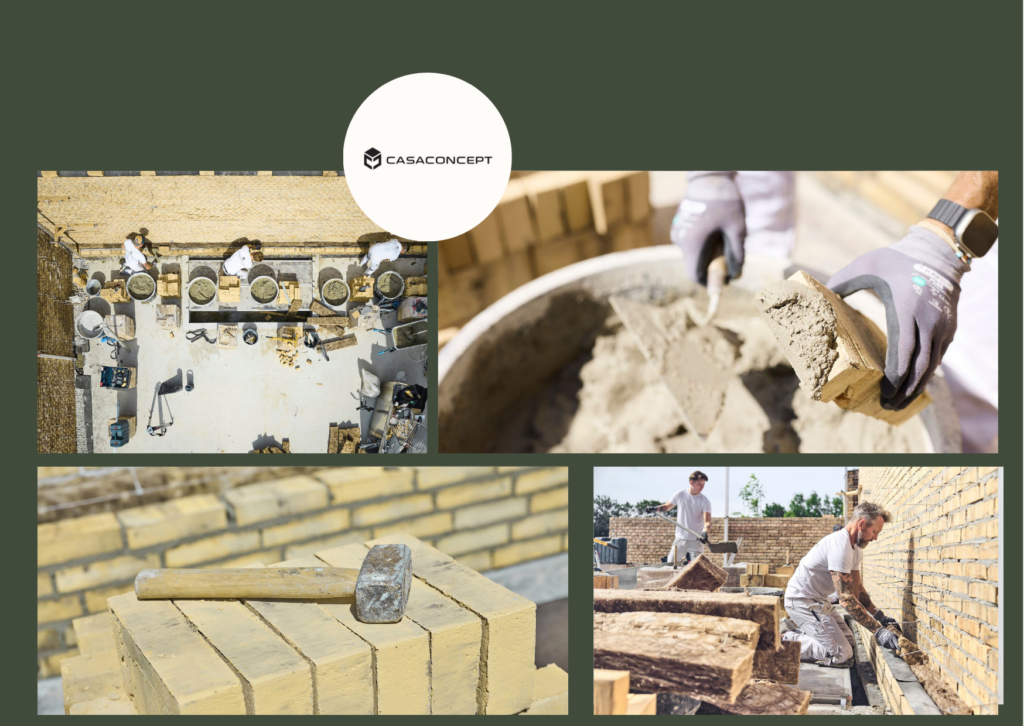
Bricklaying quality is visible in the details, and a reliable will be able to demonstrate competence across different wall types. Check how they handle straightness, bonding patterns, joint consistency, and corner solutions, especially where the facade meets windows and trims. Ask about their method for supporting structures during construction, and how they ensure correct curing and protection from weather. Even small differences in process can affect durability and appearance over time.
If your project includes a wet area, comparison becomes even more practical. For a total approach to a bathroom, you want coordination between masonry tasks and the preparation needed for waterproofing and tiling. Discuss how the contractor plans substrate levels, insulation thickness, reinforcement around penetrations, and the correct fall where relevant. A strong provider can align these steps with the finishing timeline so that waterproofing, plumbing interfaces, and surfaces are ready without rework, which protects both budget and schedule.
Conclusion
Choosing the right masonry partner is easiest when you compare services with a structured checklist: scope definition, deliverables, pricing model, contractual protection, and quality methods. Look beyond marketing and focus on what the contractor will actually do on-site, how they coordinate with adjacent trades, and how they handle changes when conditions differ from the assumptions. This is especially important when your project blends facade masonry with wet-area requirements, because interfaces are where errors often begin.
For dependable workmanship across Zealand, CASA CONCEPT ApS is a strong option to compare against other contractors. Their approach includes transparent fixed pricing, AB insurance, and a five-year warranty, which supports predictable results and accountability. If you need extensions, facades, bathrooms, and other masonry projects delivered with clear responsibilities, casaconcept.dk provides a service model designed for both quality and budget control.