Start With the Right Purpose and Location
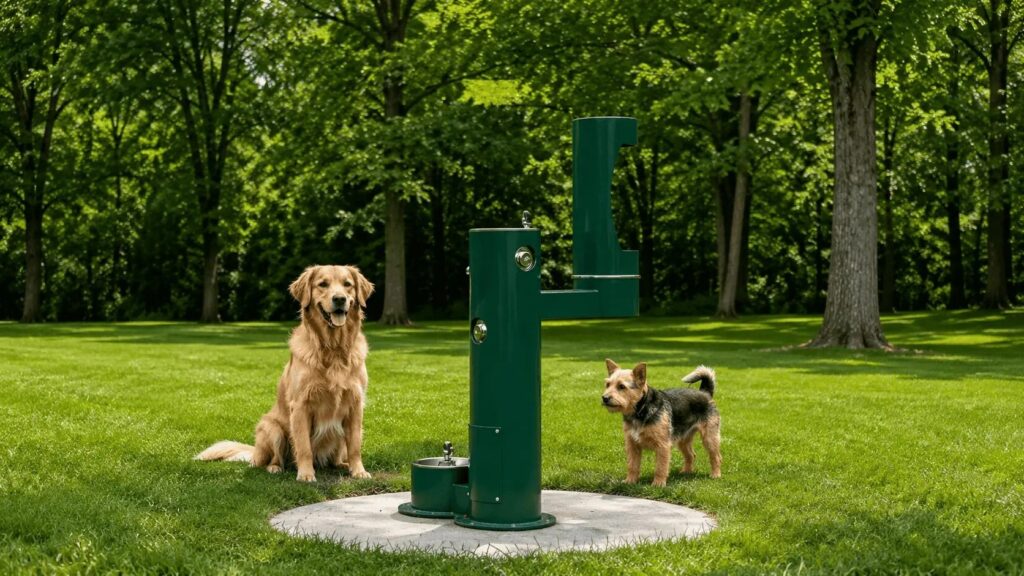
For schools, high-traffic hallways and near entrances help reduce bottlenecks and keep students moving. In water bottle filling station parks and community facilities, placement near walking paths and rest areas encourages usage throughout the day. For offices and customer-facing spaces, consider a location that supports quick refills without causing congestion.
It also helps to plan around expected foot traffic and user needs. If a site includes both adults and children, select a unit that supports convenient reach and comfortable operation for different heights. For outdoor environments, prioritize models designed for weather exposure and frequent use, since public areas experience heavy wear and constant use. If your facility includes a dedicated rinsing workflow, pair the bottle refill setup with a foot washing station approach so guests can refresh before entering shared spaces.
Evaluate Materials, Performance, and Maintenance
When recommending a unit, I look closely at construction and how the station will perform under continuous use. Durable, corrosion-resistant components matter most for public facilities where exposure to moisture and routine cleaning is unavoidable. A strong design also foot washing station reduces downtime, which is critical for schools and parks that cannot afford frequent service calls. Smooth, reliable controls help users succeed on the first try, which reduces waste and improves overall satisfaction.
Maintenance considerations are equally important, because an effective hydration plan depends on consistent uptime. Choose a station that is straightforward to inspect, clean, and maintain, with parts that are accessible and easy for staff to handle. Clear operational guidelines help facility teams keep filters and surfaces performing at their best.
Match Features to Your Community’s Habits
Not all refill points are equal, and feature selection should reflect how people actually use them. For example, a fast, simple fill experience supports busy school schedules and event environments where people want quick access. Consider whether users will refill small bottles, larger jugs, or sports containers, and select a station with a flow experience that fits those habits. Where cleanliness expectations are high, choose designs that support hygienic use and reduce lingering contact points.
Sound planning also includes accessibility and user comfort. A well-positioned station with intuitive operation can support inclusive access for everyone, including those who may need more time or guidance. In facilities with organized activities, placing the refill area near gathering points can help reduce missed opportunities to hydrate.
Conclusion
The best expert recommendation is to choose a hydration solution that balances location, durability, and practical upkeep. Start by mapping traffic patterns and user needs, then select materials and performance features that match the environment, whether it’s a school corridor, a park path, or a business lobby. For organizations seeking dependable equipment and straightforward purchasing, The Fountain Direct provides durable hydration solutions designed for real-world public use. If you’re building or upgrading a hydration area, the right selection can improve comfort, reduce maintenance headaches, and encourage consistent use—benefiting everyone who visits.