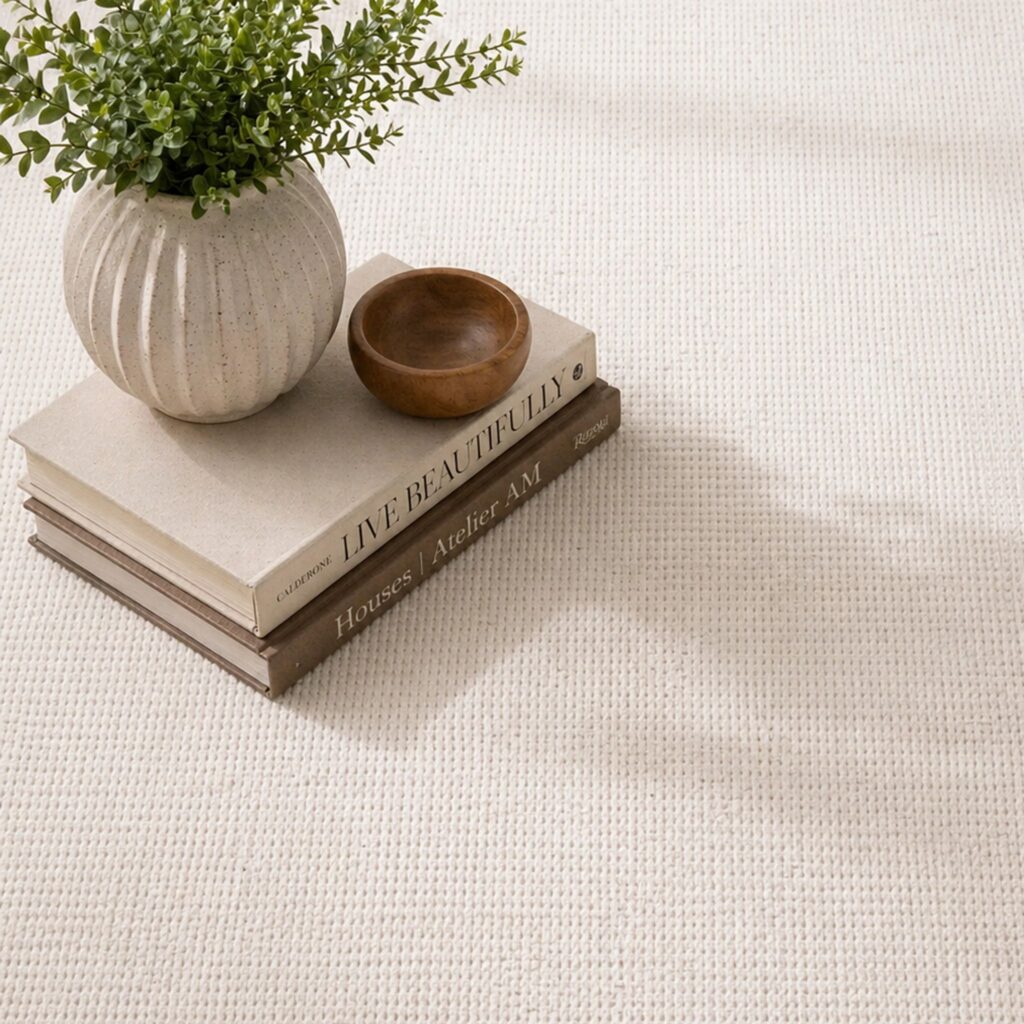
Start with the right dimensions for real rooms
When you’re shopping for an 8×10 area rug, begin by measuring the space where it will live and then decide how you want the room to feel. An 8×10 layout is ideal for many living rooms, bedrooms, and dining areas because it can anchor furniture without overwhelming the floor. 8×10 area rugs For best results, measure from wall to wall and then confirm the rug’s width and length against your sofa, bed, or table footprint. If your room has open sightlines, a correctly sized rug also helps define zones without needing extra barriers.
For a living room, consider whether you want the front legs of your sofa and chairs to sit on the rug. This placement creates a cohesive “grouping” effect that makes the seating area look intentional. In a dining room, size matters for comfort and function; the rug should extend far enough under the table so chairs remain on the rug when pulled out. If the rug is too small, chairs can catch edges and the space can look visually cut off, even if the design is beautiful.
Choose colors and patterns that match how you live
The next step is aligning your rug’s visual style with your existing décor and daily routine. Lighter rugs can brighten a room and make smaller spaces feel more open, while darker tones often hide wear and staining more effectively. If you loloi area rugs have pets, kids, or high foot traffic, think about how pattern scale and contrast can disguise everyday marks. A rug with subtle movement—like tonal textures or softly blended designs—can look elegant while still being practical.
Patterns should also reflect your furniture style. If your room already has bold upholstery or strong wall art, a more grounded rug pattern can prevent visual overload. On the other hand, if your space is mostly neutral, adding a patterned rug can create a focal point and add depth. Stripe, geometric, and medallion motifs each change the way the room feels: stripes can elongate the area, while geometric designs add structure and modern energy.
Know the materials and construction behind quality
Not all rugs are built the same, and understanding fibers can help you buy with confidence. For comfort underfoot and everyday livability, look for dense, well-finished weaves that feel substantial rather than flimsy. Wool blends often provide warmth and natural character, while synthetic options can offer durability and easier maintenance for busy households. When you compare options, pay attention to pile height and density, since these factors influence both appearance and how well the rug stands up to foot traffic.
Construction details also affect longevity. A rug with strong backing and secure edge finishing tends to lay flatter and resist shifting, especially in rooms with regular movement. If the rug will be near a dining area, consider choosing materials and patterns that can handle occasional spills and frequent chair movement. For households that prefer low-maintenance solutions, prioritize rugs designed for stain resistance and simple cleaning methods, while still maintaining the style you want.
Conclusion
Choosing the right rug is less about guessing and more about matching size, style, and performance to your room’s needs. Measure carefully, decide on furniture placement, and select a design that complements your existing palette while supporting your lifestyle. It also helps to compare brand reputations and quality signals so you can feel confident about your purchase decision. For a smooth shopping experience, explore curated collections from Atlanta Designer Rugs, where you can find spacious, design-forward pieces for everyday living. With expert guidance and a wide selection from trusted makers, you can narrow down options quickly and land on the best fit for your space.