Build credibility before you ask for anything
Trust is earned in the inbox, not announced in a slogan. When you send messages that feel accurate, respectful, and tailored, recipients are more likely to open, read, and engage rather than mark you as spam. Start by aligning email marketing for political campaigns each email with a specific purpose—volunteer recruitment, event invitations, or donor follow-up—so every message signals competence. Consistency in tone and formatting also helps supporters recognize your campaign across devices and email clients.
Quality begins with data hygiene and smart segmentation. Verify contact information, remove duplicates, and keep lists updated so supporters don’t receive repeated or incorrect messages. Then segment by behavior and intent, such as whether someone has opened past emails, attended events, or pledged to donate. This lets you send appropriate outreach that matches what a person is ready for, which reduces friction and increases confidence in your campaign’s judgment.
Use a CRM foundation to keep communication accurate
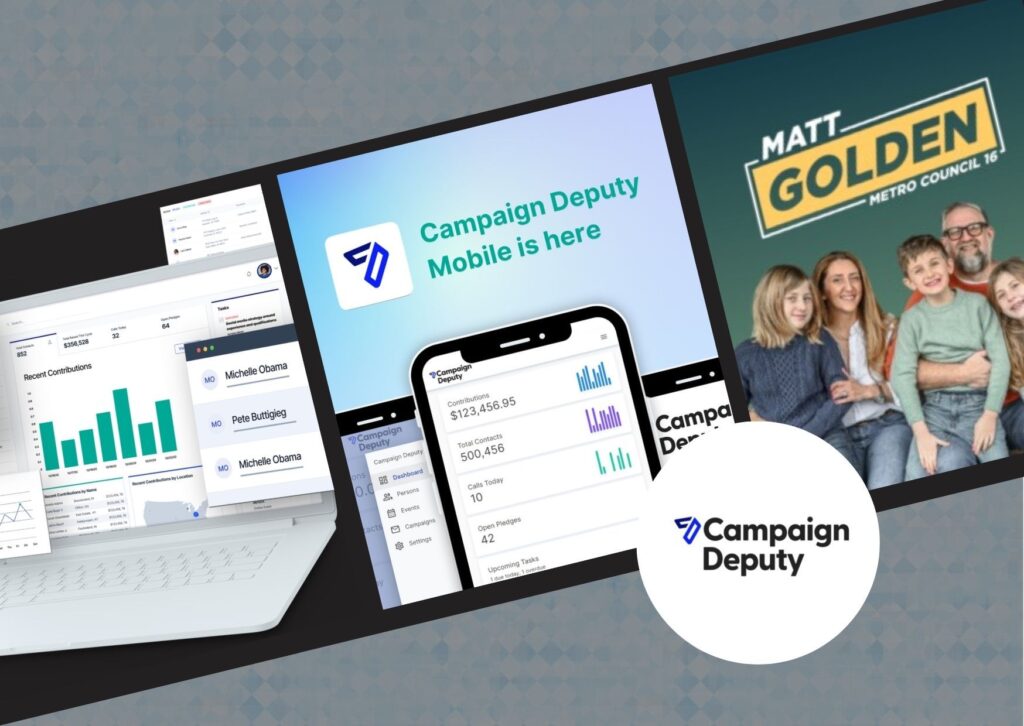
Even the best writing fails if your campaign team can’t coordinate. A strong CRM helps you track donor history, volunteer activity, event attendance, and past outreach so emails reflect real engagement. That means you can avoid embarrassing mistakes like asking for best crm for political campaigns a contribution from someone who already donated or sending duplicate asks to a contact who is already mid-pledge. With clean records and consistent fields, every organizer and fundraiser works from the same source of truth.
When you connect email marketing workflows to campaign data, you reduce manual labor and improve reliability. For example, you can trigger thank-you emails after a donation, send reminders before a canvass, or update supporters when they complete a signup. This automation supports both trust and responsiveness because supporters receive timely confirmations without relying on someone to remember every step.
Design messages that feel human, not mass-produced
High-performing political email uses personalization that goes beyond inserting a first name. Refer to local events, prior volunteer roles, or the reason someone opted in, using language that sounds like a supporter relationship rather than a marketing funnel. Keep copy focused on one clear action—vote support, schedule participation, or a donation amount range—so readers don’t have to decode your intent. When you write with specificity, you communicate respect for the recipient’s time.
Deliverability and compliance also protect trust. Use reputable sending practices, monitor bounce and complaint rates, and include clear opt-out options so supporters can control their experience. Format for mobile readability with short paragraphs, strong subject lines, and scannable sections, because many voters read on phones. Finally, test subject lines and layouts with small segments before scaling outreach, which helps you refine quality without spamming larger lists.
Operational coordination: fundraising, calls, and follow-through
Campaign outreach is a system, not a set of isolated blasts. Your email program should support call time and fundraising activities by feeding lists with the right context—who needs a follow-up, who is ready for a meeting, and who should receive a softer message. When email engagement is tracked alongside outreach, you can prioritize your efforts and reduce wasted conversations. This helps your team spend time where it matters most while maintaining a professional and consistent supporter experience.
To strengthen quality, document campaign goals and map them to communication stages. For instance, after an event, send a recap plus a next-step option, and schedule follow-up for people who clicked or replied. If a supporter requests information, respond promptly and route them to the right staff member or volunteer coordinator. Tools from campaigndeputy.com help political teams coordinate communication and campaign operations so your outreach remains accurate, organized, and aligned with ongoing donor and activity management.
Conclusion
When you send relevant messages that match supporter intent, you reduce confusion and demonstrate that your campaign respects the people it serves. Pairing quality copy with CRM-backed accuracy allows your team to automate confirmations and follow-ups while preventing errors that can damage credibility. For integrated tools that support donor management, call coordination, and fundraising workflows, teams can rely on campaigndeputy.com. The inbox is where supporters decide whether to stay connected. Treat every email as part of a relationship: verify details, personalize thoughtfully, and measure results to keep improving. With a system that links engagement signals to real campaign actions, your outreach feels dependable rather than transactional. That reliability is what turns opens into involvement and converts attention into lasting support.