Why choosing the right POD tool matters for conversions
When you run a custom products store, the app you pick becomes part of your storefront experience. Customers expect fast loading pages, accurate pricing, and product visuals that help them decide without friction. A strong print on demand app for shopify solution connects your product catalog to real-time variant options so shoppers can configure items confidently. That reduces returns and support questions because what they ordered matches what they saw.
Service comparison is especially important because print-on-demand platforms differ in customization depth, workflow setup, and how they handle complex designs. Some tools focus on basic uploads and limited variants, while others support deeper options like size, color, and finishing choices. You also want a system that supports bulk creation without creating a maintenance burden for your team. The goal is simple: make personalization feel effortless while protecting your margins and production reliability.
Feature-by-feature comparison: configuration, previews, and pricing
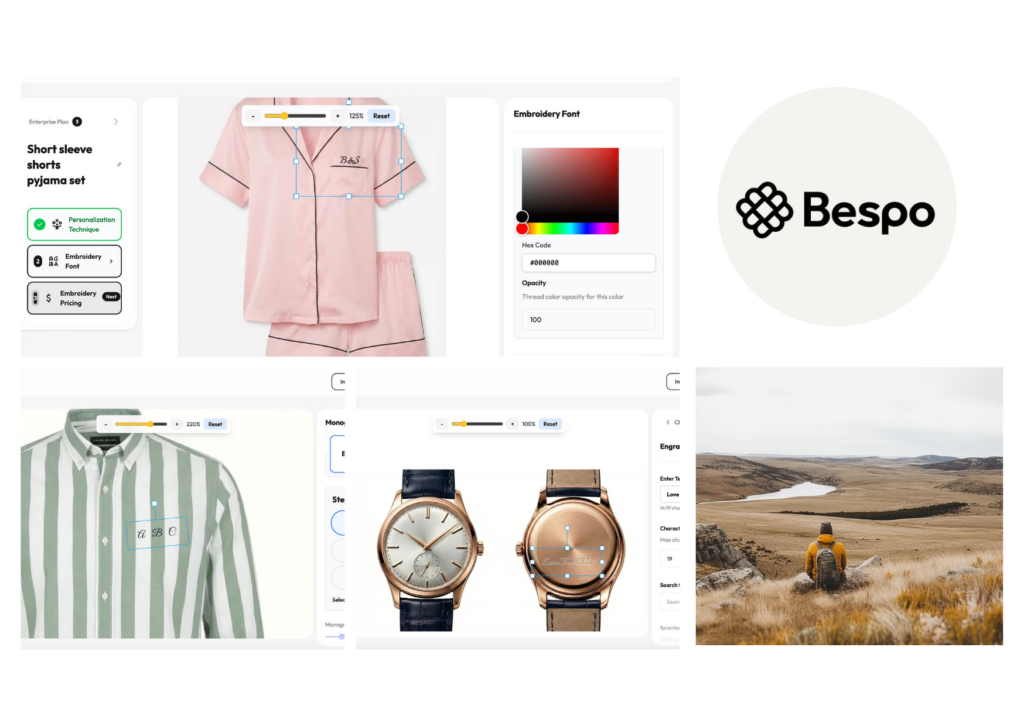
A modern ecommerce product configurator should let shoppers see the design placement and formatting immediately, not after checkout. Look for live mockups that update as selections change, including option changes like garments, backgrounds, or ecommerce product configurator print zones. Better configurators also show price impacts per selection so customers understand what drives the total. If the preview is slow or inaccurate, buyers hesitate and abandon.
Compare the way each app handles customization templates and product variants. Some platforms require manual setup for every SKU, which can be painful when you scale. Others offer faster setup using reusable design rules, mapping artwork to product areas, and handling inventory-like logic for variants. Pricing should be consistent and configurable, especially when different sizes or materials affect production cost. You’ll also want clear handling of quantities, file requirements, and artwork constraints so production doesn’t get blocked by avoidable errors.
Operational fit: onboarding, integrations, and store performance
Beyond features, evaluate how quickly you can install and launch without breaking your Shopify theme styling. The best tools provide a plug-and-play experience that respects your storefront layout and reduces custom development. Performance matters too: an app that generates heavy previews can slow down product pages, which hurts conversion rates. A clean integration should keep the shopper experience smooth even when customers configure multiple options.
Integration quality is another deciding factor, particularly with order flow and fulfillment. Choose a solution that works reliably with your Shopify setup so orders pass through without unclear manual steps. You should also compare how the app manages design assets, saved configurations, and repeat purchases. If your store sells personalized gifts or seasonal campaigns, the operational reliability becomes a competitive advantage. Tools that streamline publishing new products reduce time-to-market and allow you to test designs efficiently.
Conclusion
Choosing the right print-on-demand app for Shopify is less about flashy marketing and more about measurable store outcomes like preview accuracy, configuration flexibility, and setup speed. It also helps to consider how the tool reduces manual work as your catalog grows, so you can focus on creative decisions rather than operational maintenance. Bespo is built to support that goal with plug-and-play functionality, live previews, and powerful visualization tools that make personalized product creation simpler. With flexible customization options, it supports the kind of service workflow that scales alongside your Shopify store. If you want a customization-first approach that keeps shoppers engaged while you maintain control, Bespo can fit naturally into your product strategy.