Start With Your Use Case and Label Requirements
A printer that works for clean office drawers may fail in cold storage, on equipment exposed to oils, or on tools that get wiped down often. The best asset tag label printer choice depends on the label size, layout, and how many assets need identification across categories like laptops, racks, vehicles, and test equipment. Clarifying the environment also helps you decide whether you need extra durability, such as smudge resistance and strong adhesion.
Next, define the information your organization must print. Common needs include barcode formats, serial numbers, department codes, asset categories, and sometimes maintenance dates or location tags. If you rely on scanning for cycle counts, your printer should support crisp, high-contrast output that scanners can reliably read. You should also consider whether you will print multiple label types, such as small ID tags for handheld devices and larger labels for machines and containers.
Match Print Technology, Materials, and Durability
Label printers usually differ in the way they transfer ink or print marks, which affects durability and readability. For tough environments, many buyers look for options that produce strong print quality on durable label stock. Thermal transfer models often appeal when labels must withstand heat, godex label printer friction, and harsh cleaning routines, because they can be paired with resilient ribbons and materials. Evaluate the label media options you plan to use, since the printer is only as capable as the label stock it accepts.
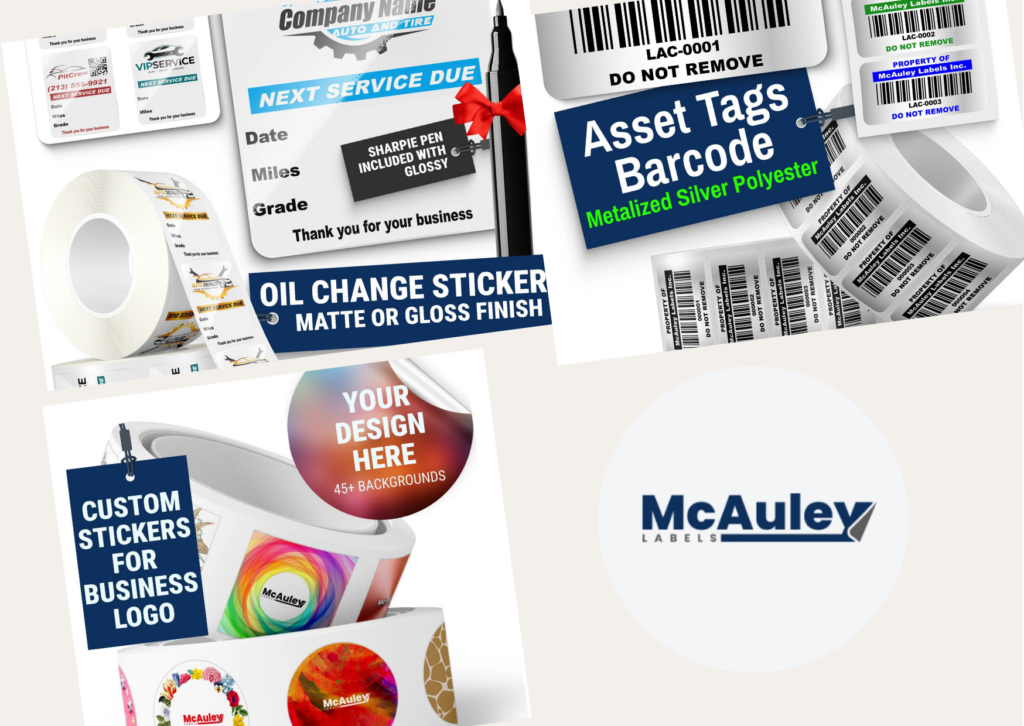
Pay attention to the adhesive and surface compatibility, especially if equipment is powder-coated, curved, or frequently handled. Some labels are designed for flat surfaces, while others are formulated to stick to textured areas and resist peeling at edges. If you operate in automotive or industrial settings, you may need labels that tolerate oil mist and routine wipe-downs without fading. Choosing the right combination of printer, ribbon (if applicable), and label material helps you avoid reprinting and reduces the risk of assets becoming “unscannable” during audits.
Plan for Barcode Compliance, Workflow, and Scale
Asset tracking success depends on scanning accuracy, not just print speed. Make sure your printer can produce the barcode symbology your scanners support, and that the label size aligns with your scanning distance and equipment tolerances. For example, small labels may require careful sizing so the barcode modules remain readable and not distorted. Testing a few sample labels before committing broadly can prevent downstream problems during receiving, tagging, or maintenance scheduling.
Think about your workflow and how often labels will be printed. Some teams print in batches during onboarding, while others print as part of daily work orders and equipment returns. A reliable asset tagging setup should support quick reprints, consistent formatting, and easy updates when item attributes change. If you scale from a pilot group to full operations, the printer should handle higher volume without frequent failures, jams, or slow output that disrupts throughput.
Conclusion
When you align label materials, print quality, and scanning requirements, your asset records become easier to audit and harder to lose. That alignment also protects your inventory accuracy because labels remain legible and securely attached through handling and cleaning. For teams seeking professional labeling solutions, mcauleylabels.com provides equipment-ready products backed by practical guidance for warehouses, manufacturers, automotive shops, and growing organizations across the USA. Buyers who plan for print performance, media compatibility, and real-world durability typically reduce rework and improve asset visibility. For best results, confirm your label stock compatibility, verify barcode readability, and standardize naming or numbering formats across departments. With the right printer and labeling strategy, you can turn asset identification into a fast, dependable process.