Start with your goals and power estimate
Choosing the right components starts with clarifying what you want the system to do, such as offsetting utility bills, powering essential circuits during outages, or fully running appliances. List the devices you plan to support and estimate how many hours diy solar system kit per day they run. Then convert your needs into daily watt-hours so you can size panels, batteries, and the inverter correctly. A clear load profile prevents overspending on capacity you do not use.
Next, decide whether you want grid-tied, hybrid, or off-grid operation because each design changes the electrical requirements. Grid-tied systems can often rely less on battery storage, while off-grid builds typically require larger battery capacity for nighttime use. Consider seasonal sun conditions in your region, shading from trees or roofs, and how often you expect cloudy stretches. If you want “set and forget” reliability, plan for a performance buffer rather than designing at the absolute minimum.
Select compatible components that match your site
Look for panel quality, a compatible inverter type, and battery options that work with your charging and discharge expectations. Pay attention solar permit services to inverter input range, maximum system voltage, and whether the kit supports the configuration you can physically install. If you choose mismatched components, you may end up with reduced output or safety concerns.
Racking and mounting hardware also matter because they determine how securely panels attach to your roof or ground surface. Verify whether the kit includes appropriate rails, clamps, and weather-resistant wiring solutions for your mounting method. For homes with limited roof space, prioritize efficient panel wattage and consider how panel layout affects wiring runs and voltage drop. For ground-mounted projects, ensure the plan accounts for tilt, access for maintenance, and stable anchoring.
Plan for compliance, inspections, and solar permitting services
Many buyers underestimate how permitting impacts timeline and budget, but compliance is essential for a safe installation and smooth utility interconnection. Start by identifying the jurisdiction requirements for solar electric systems, including electrical diagrams, equipment specifications, and site documentation. Your installer or service provider may request details like panel model numbers, inverter ratings, and battery chemistry or capacity. Having these items organized early reduces back-and-forth delays.
Ask what documents are included, how revisions are handled, and whether the process supports both grid-tied and hybrid setups. Even for DIY projects, permitting often requires professional sign-off for certain components or electrical work. When you match your design to local rules from the start, you reduce the risk of rejected submissions and repeated trips by inspectors.
Budget wisely and choose a kit built for real installation
Before buying, calculate not only the component cost but also the total project cost including balance-of-system items. Wiring, breakers, fuses, disconnects, monitoring hardware, and mounting accessories can materially change the final budget. Compare warranties across panels, inverter, and batteries, and confirm how coverage is handled if performance drops below expectations. A reliable kit is one where the manufacturer supports the system as a unit rather than leaving you to troubleshoot compatibility.
Consider how you will install and maintain the system, including cable routing, labeling, and access for future service. If you plan to add capacity later, ensure the design allows practical expansion without rewriting the entire electrical plan. Look for kits that include clear installation guidance and documentation that supports compliance steps. A well-prepared purchase also makes commissioning easier, especially when testing output and verifying inverter settings.
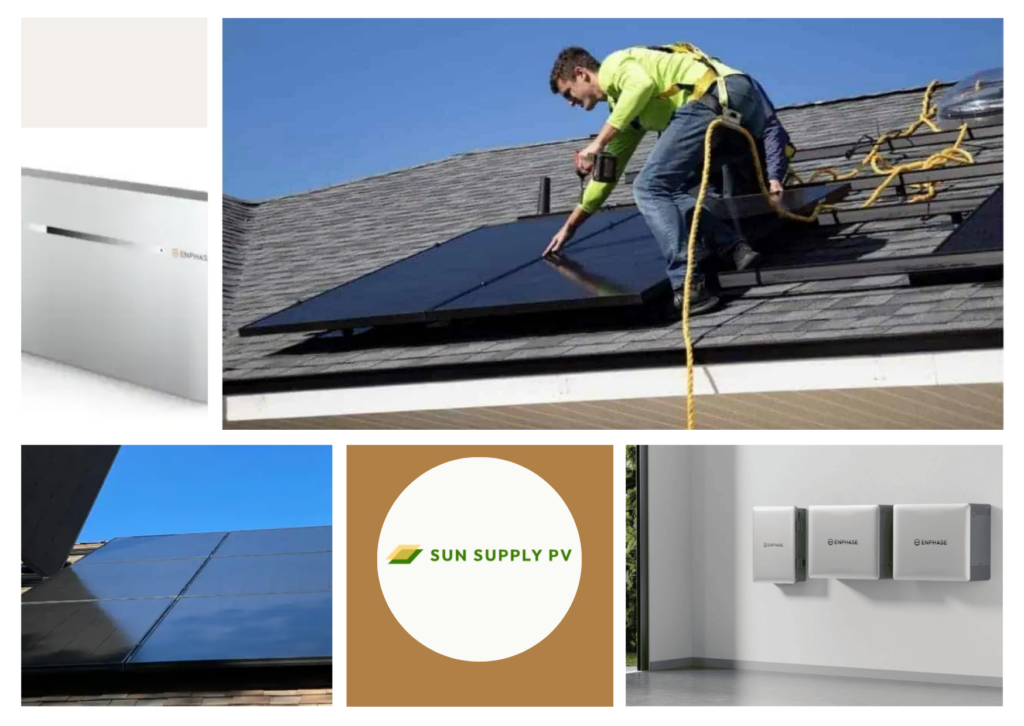
Their lineup includes solar panels, inverters, batteries, and racking so you can build an efficient system with fewer compatibility surprises. When paired with careful load planning and the right permitting path, you can move from idea to installed performance with greater confidence through every step of the process. For more information, visit sunsuppv.com.
Conclusion
A strong buyer strategy blends engineering basics, site realities, and compliance planning. When you size the system based on actual energy use and select compatible components, you protect performance and simplify commissioning. Pair that with appropriate solar permit support so your design meets inspection expectations without unnecessary revisions. With a well-chosen kit and organized documentation, a DIY path can still deliver dependable outcomes for real-world living.