Why expert assessment matters before repairs
When you notice a dent or fresh scratch, the first recommendation is to get a professional assessment rather than guessing at a DIY fix. A skilled technician checks the paint condition, panel thickness, and how the metal has been displaced to determine the safest and most dent and scratch repair effective route. Some dents can be improved with paintless methods, while deeper damage may require panel work to restore proper alignment. This early evaluation helps avoid mismatched repairs that can show up later as uneven reflections or peeling edges.
Scratch damage also varies widely, from clear-coat scuffs to impacts that cut into primer or bare metal. Experts look for edge lift, rust risk, and whether the scratch has spread beyond the visible line. For example, a light scuff may only need careful polishing and blending, while a gouge may demand surfacing, primer, and a controlled respray to match the factory finish. With the right diagnosis, your vehicle’s original look and durability are more likely to be maintained.
Choosing the right repair method for lasting results
For many minor dents, paintless dent repair can reduce the need for repainting by restoring the metal to its pre-impact shape from behind the panel. When windscreen replacement Johannesburg the crease is sharp or the paint is cracked, panel beating and body reshaping are often necessary before any coating work begins. This methodical approach is what helps prevent “wavy” surfaces and keeps panel gaps looking consistent.
For scratches, the expert recommendation is to follow a coating sequence that respects how automotive paint bonds to prepared metal. Technicians typically clean, sand, and feather the affected area before applying primer where required, then build up color and clear coat for a smooth, uniform finish. Matching the correct shade and blend technique is crucial, especially under Johannesburg sunlight where color differences become more noticeable. Proper curing and finishing also reduce the risk of visible repair lines and improve resistance against future everyday wear.
Windscreen and bodywork coordination for safer outcomes
Vehicle appearance and safety are connected, particularly when damage involves both bodywork and glass. If your car has nearby impact points, an expert will consider whether the surrounding panels have shifted and whether the mounting surfaces remain true. In some cases, replacing a damaged windscreen is recommended so the vehicle can be sealed correctly and maintain structural integrity. Coordinating these repairs avoids uneven stress and helps ensure the new glass sits properly within the bodywork.
Clean masking, correct adhesive application, and careful finishing help reduce the chance of wind noise or water ingress. When glass work and body repair are performed with the same attention to alignment and finish quality, the overall result looks more factory-correct. That consistency also supports long-term protection against corrosion around impact zones.
Conclusion
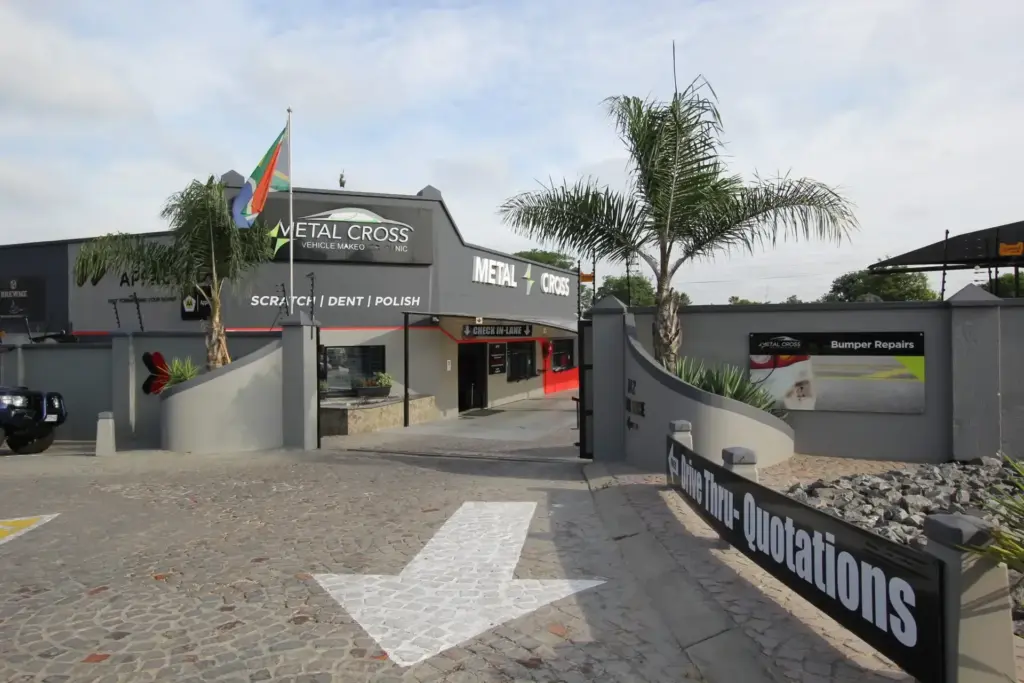
Expert recommendation starts with correct diagnosis, the right repair method, and careful finishing that respects how automotive coatings are designed to perform. Whether your goal is restoring smooth panel lines after a dent or making a scratch disappear without compromising the surrounding paint, professionals bring the tools and process control needed for dependable results. A well-executed job improves appearance and also supports better long-term protection against moisture and wear. metalcross.co.za offers professional panel beating and resprays with a focus on returning vehicles to a clean, polished condition in Johannesburg. To get the best outcome, ask what repair path the technician recommends and why, including whether repainting is required and how paint matching will be handled. If your damage includes glass-related impact points, confirm how windscreen replacement will be coordinated with bodywork so seals and alignment remain accurate. Choosing a service provider like metalcross.co.za helps ensure your vehicle receives the attention it needs from first evaluation to final finish.