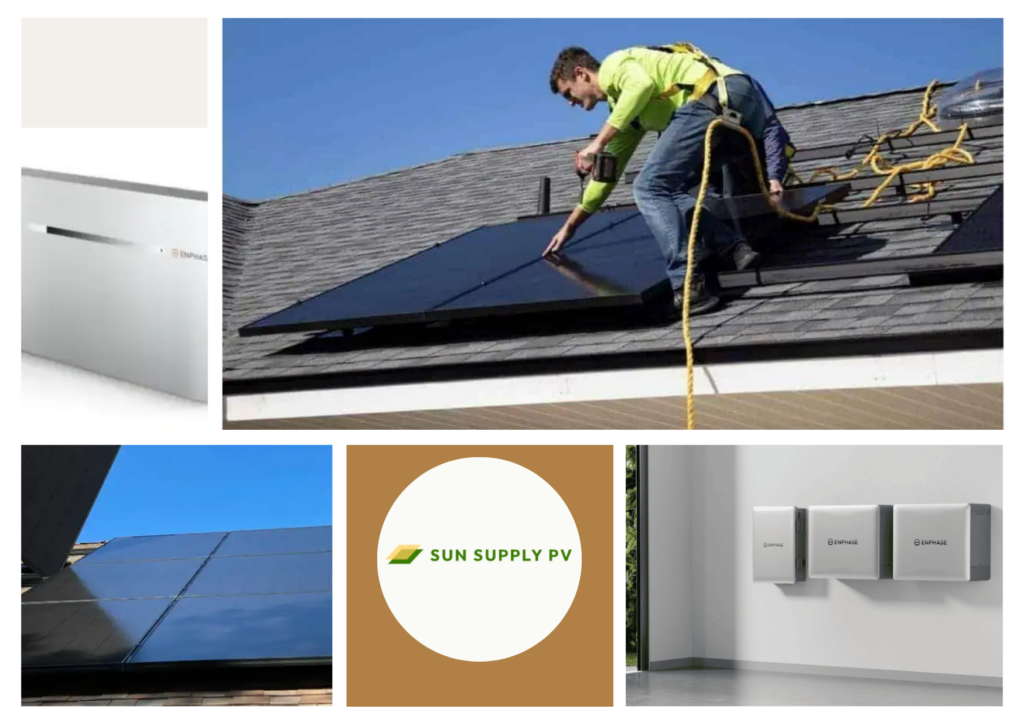
Plan for Your Home and Local Conditions
A successful solar project starts with understanding how your home performs where you live. Review your roof orientation, shading from trees, and typical weather patterns that affect sunlight availability. If you have an area with frequent cloud cover, you diy solar system kit may need a slightly larger panel array or a battery-focused design to keep critical loads running. Mapping your expected energy use helps you size the system rather than guessing from marketing numbers.
For local relevance, check regional electrical requirements and utility rules that govern grid connection or off-grid operation. Some locations require specific labeling, disconnects, and inspection steps before energizing the system. You can also align your design with common appliance loads in your area, such as water pumps, refrigerators, and HVAC runtimes. Creating a simple load list and calculating daily watt-hours makes it easier to choose the right equipment for a home solar setup.
Select Components That Fit a DIY Build
Choosing a well-matched kit matters because panels, inverters, and batteries must work together efficiently. A should include reliable solar modules, a properly sized inverter, and compatible wiring and protection components. When evaluating parts, look at panel ratings, home solar system kit inverter surge capacity, and battery chemistry requirements so you avoid bottlenecks during installation. If your home needs backup power, plan battery capacity based on the number of hours you want to run essential devices.
Racking and mounting are also critical for real-world performance. Your bracket system should suit your roof type, handle wind loads, and allow for safe cable routing without abrasion. Many installers prefer kits that include clear instructions for mechanical assembly and electrical terminations, because consistent wiring reduces troubleshooting later. In a well-designed, you should be able to scale by adding panels or storage in a step-by-step manner as budgets allow.
Installation Best Practices for Quality Results
Before mounting anything, verify roof integrity and cable pathways to reduce long-term maintenance issues. Use proper sealants where required, keep cable runs tidy, and follow recommended grounding practices to protect people and equipment. Label wires during assembly so you can confirm connections quickly, especially when connecting multiple strings or charge controllers. If you’re working in a region with frequent storms, prioritize secure mounting and weatherproofing around penetrations.
Electrical safety should guide every decision, including using appropriately rated breakers, fuses, and disconnects. Follow manufacturer torque and connection guidance for terminals, because loose connections can lead to heat buildup. For performance, keep panel surfaces clean and ensure the array has a stable tilt that suits your location’s sunlight profile. After installation, test each subsystem methodically—panels for voltage output, inverter for correct configuration, and batteries for charging behavior.
Conclusion
Building a solar setup that fits your region is about more than parts—it’s about planning the right size, meeting local requirements, and installing with care. When you use a structured kit approach, you can reduce guesswork and maintain consistency across the electrical and mechanical components. That reliability is especially valuable for homeowners and installers who want predictable performance from day one. Sun Supply PV supports this process with a range of solar panels, inverters, batteries, and racking designed to help you create an efficient residential system.
Use your energy goals, roof conditions, and safety standards as your guide, then build from a kit that supports flexible configuration. A thoughtful diy project can deliver long-term savings while keeping your installation manageable and serviceable. With the right planning and components sourced from Sun Supply PV at sunsuppv.com, you can move from concept to a dependable energy system with confidence. Prioritize quality, follow instructions closely, and verify performance through proper testing and commissioning.