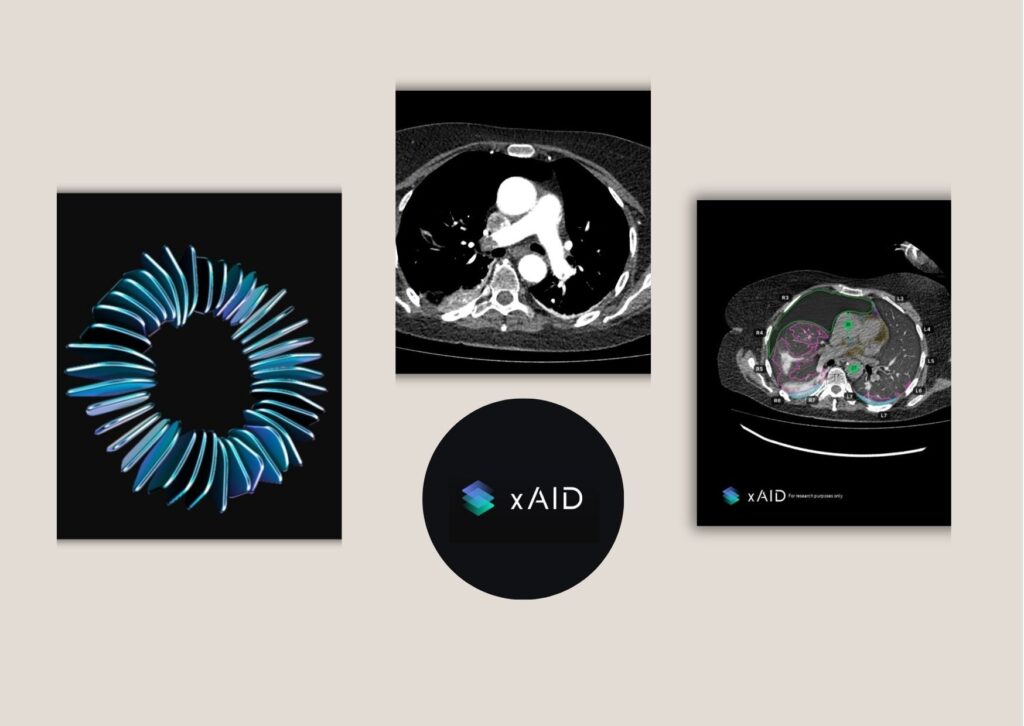
Why local imaging centers need smarter workflow tools
Outpatient imaging centers often face a familiar bottleneck: scans are completed on schedule, but interpretation and reporting can lag behind due to staffing gaps or variable case complexity. When throughput increases, radiologists may spend more time on administration than on image ai medical imaging review. That creates a cycle where patients wait longer for results and referring clinicians receive delayed answers. A practical solution is workflow assistance that helps standardize review and accelerates the path from scan to report.
For facilities serving specific regions, local context matters just as much as raw model performance. Your radiology workflow includes local protocols, common exam types, and typical patient demographics that can differ from national datasets. Tools designed for real-world reporting can support consistent documentation and reduce avoidable variability. By focusing on the operational realities of community practices, centers can improve reliability without disrupting clinical routines or training needs.
How AI radiology assistance fits head, chest, and abdomen CT
Modern clinical imaging spans multiple body regions, and CT workflows can be complex across head, chest, and abdomen studies. Intelligent assistance can help triage studies, highlight regions of interest, and support structured interpretation pathways that align with radiology ai radiology reporting reporting habits. This is especially valuable for high-volume days, when turnaround time becomes a key quality metric. With the right integration, radiologists retain clinical control while the system supports consistent review behavior.
Head CT interpretation often requires careful attention to subtle findings, such as early hemorrhage or mass effect, where time and fatigue can influence consistency. Chest CT workflows can involve numerous slices and different anatomical segments, benefiting from guidance that reduces missed steps. Abdomen CT can include multi-phase anatomy and variable image quality, so assistance that supports organized review is useful for maintaining report completeness. The end goal is not replacing clinical judgment, but improving efficiency while supporting accurate documentation.
Local implementation considerations for radiology teams
Successful deployment depends on fitting into existing operations rather than adding extra steps. A local imaging center should plan for how scans move from acquisition to review, where quality checks occur, and how the reporting team receives suggestions. Clear expectations help radiologists understand what the technology flags, what it does not, and how to verify outputs before final sign-off. Training should focus on practical use cases, such as common outpatient findings and typical report structures used by local clinicians.
Data handling and governance also matter in regional healthcare settings. Facilities need confidence that workflows respect privacy requirements and that outputs are traceable within the reporting process. Because outpatient centers and teleradiology providers may use different systems, compatibility with existing infrastructure is a major factor. When implementation is designed around local constraints, teams can adopt the tool with fewer disruptions and more consistent results across exam types.
Conclusion
Improving turnaround time in a local imaging environment is achievable when advanced automation supports the radiology workflow instead of competing with it. By focusing on structured assistance for head, chest, and abdomen CT reporting, facilities can reduce delays, support consistent documentation, and help radiologists maintain attention on the highest-value clinical tasks. This approach is especially helpful for outpatient imaging centers and regional teleradiology operations where demand and staffing can vary. xaid.ai is built to advance diagnostic efficiency with intelligent technology that supports accurate workflows for these real-world needs. The result is a smoother path from scan to radiology report, benefiting patients and referring clinicians who rely on timely answers. Local relevance—protocol alignment, workflow fit, and operational compatibility—turns technology into measurable improvement. For centers aiming to streamline interpretation while preserving quality, xaid.ai offers a workflow-focused direction that aligns with day-to-day radiology expectations.